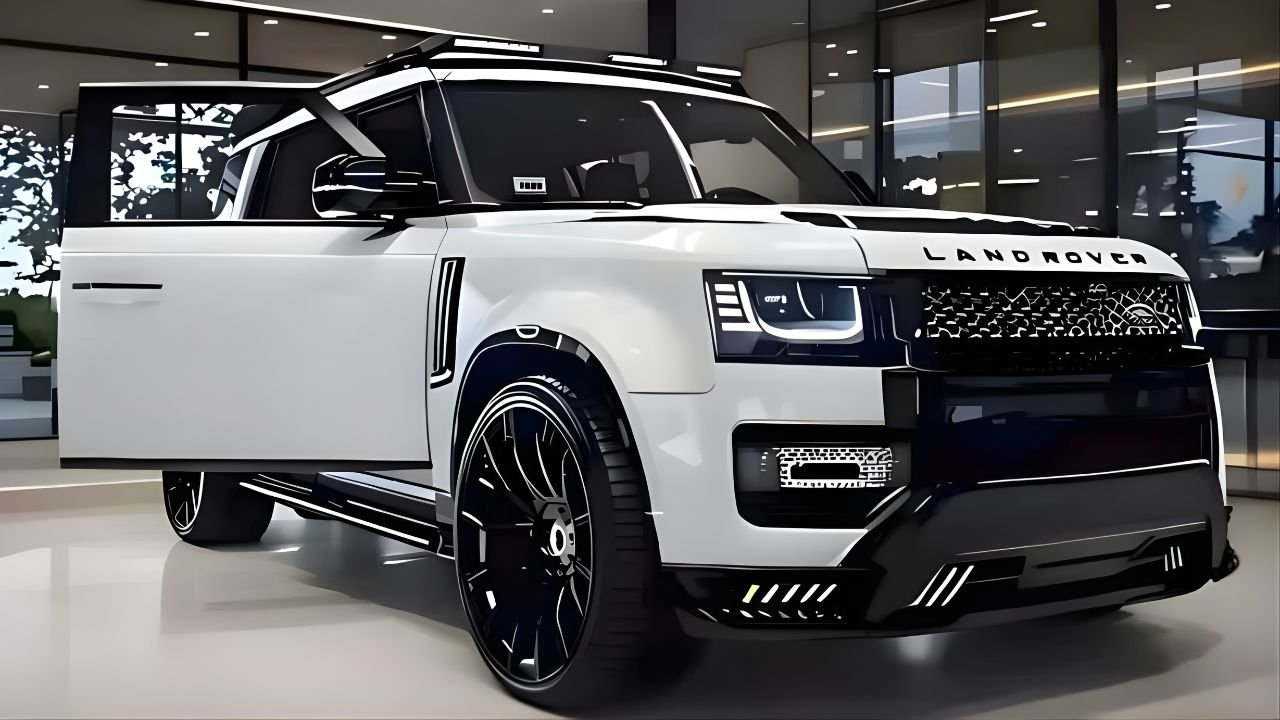

The automotive world is buzzing with the arrival of the 2026 Land Rover Defender, a vehicle that masterfully bridges the gap between rugged heritage and futuristic electrification. Long celebrated for its “go-anywhere” spirit, the latest iteration of this iconic 4×4 sees a significant shift toward sustainable performance. By integrating smarter hybrid technology and a more refined aesthetic, Land Rover has ensured that the Defender remains the gold standard for luxury off-roaders. This year’s launch isn’t just a minor facelift; it represents a strategic evolution in power delivery and cabin sophistication.
A New Era of Electrified Performance
The headline for the 2026 model year is undoubtedly the enhanced hybrid powertrain lineup. Land Rover has optimized its Plug-in Hybrid (PHEV) and Mild-Hybrid (MHEV) systems to offer better efficiency without sacrificing the raw torque required for trail conquering. The P400e variant continues to lead the charge, combining a potent petrol engine with an electric motor to provide nearly silent urban driving and instant low-end grunt for steep inclines. Furthermore, the mild-hybrid systems across the I6 engines now feature improved energy recuperation, making the 2026 Defender feel more responsive during stop-and-go city commutes while reducing overall carbon footprints.
Exterior Refinements: Toughened Elegance
Visually, the 2026 Defender maintains its unmistakable boxy silhouette but introduces several “premium-tough” design cues. The front fascia benefits from redesigned LED headlight graphics that offer a more technical appearance, while the rear features new flush-mounted tail lights with a smoked lens finish. New color palettes, including the earthy Woolstone Green and the metallic Borasco Grey, allow for greater personalization. For those seeking the pinnacle of the range, the new OCTA flagship model brings even more aggressive styling, featuring wider wheel arches and unique 6D Dynamics suspension technology that visually separates it from the standard trims.
Interior Sophistication and Tech Upgrades
Step inside, and the most immediate change is the upgraded infotainment landscape. The previous 11.4-inch display has been replaced by a stunning 13.1-inch curved glass touchscreen running the latest Pivi Pro software. This larger interface necessitated a slight redesign of the center console, resulting in better ergonomics and a more intuitive placement for the gear selector. The materials used throughout the cabin have also seen an upgrade, with more sustainable “Kvadrat” wool-blend textiles and high-grade Windsor leathers available, ensuring that the interior feels as premium as a Range Rover while retaining the durability a Defender owner expects.
Technical Specifications and Performance Data
To better understand how the 2026 models stack up, the following table outlines the key performance metrics for the most popular configurations.
| Feature | Defender 110 P400 (MHEV) | Defender 110 P400e (PHEV) | Defender OCTA (V8) |
| Engine Type | 3.0L I6 Turbo | 2.0L I4 + Electric Motor | 4.4L Twin-Turbo V8 |
| Horsepower | 395 hp | 404 hp | 626 hp |
| 0-60 MPH | 5.8 Seconds | 5.4 Seconds | 3.8 Seconds |
| Electric Range | N/A | Up to 30 Miles (WLTP) | N/A |
| Max Towing | 8,200 lbs | 6,613 lbs | 7,716 lbs |
| Starting Price | ~$75,000 | ~$83,000 | ~$152,000 |
Unrivaled Off-Road Capability
Technology isn’t just for the dashboard; it’s baked into the Defender’s mechanical soul. The 2026 model introduces Adaptive Off-Road Cruise Control as a standard feature across more trims. This system allows drivers to set a target speed on rough terrain, letting the vehicle manage throttle and braking while the driver focuses solely on steering. Paired with the legendary Terrain Response 2 system, which now includes more customizable “Wade” and “Rock Crawl” modes, the Defender remains virtually unstoppable. The electronic air suspension can still raise the vehicle to provide a ground clearance of up to 11.5 inches, ensuring water crossings and boulders are handled with ease.
The Shift Toward the Luxury Market
With the 2026 launch, Land Rover has also streamlined the lineup, making the four-door 110 and 130 models the primary focus. In a surprising move, the base two-door Defender 90 is now primarily reserved for the high-output V8 engines, signaling a move toward a more exclusive, enthusiast-driven market for the shorter wheelbase. This shift reflects a broader strategy to position the Defender not just as a tool for adventure, but as a legitimate rival to the Mercedes-Benz G-Class. The inclusion of the “Signature Suite” interior options further cements this, offering second-row “Captain’s Chairs” in the 130 model for ultimate passenger comfort.
Safety and Driver Assistance
Finally, the 2026 Defender doubles down on safety with a new Driver Attention Monitor that uses internal cameras to detect signs of fatigue. This joins an already impressive suite of tech, including 3D Surround Cameras and ClearSight Ground View—which effectively makes the hood “transparent” on the infotainment screen. These features make the Defender one of the easiest large SUVs to maneuver, whether you are navigating a narrow mountain pass or a crowded parking garage. The 2026 model successfully proves that you don’t have to sacrifice modern safety for old-school ruggedness.
FAQs
Q1 What is the electric range of the 2026 Defender PHEV?
The 2026 Defender P400e offers an estimated electric-only range of approximately 30 miles (WLTP), making it ideal for emissions-free daily commuting.
Q2 Has the infotainment system been changed?
Yes, the 2026 model now features a larger 13.1-inch curved touchscreen, replacing the older 11.4-inch unit for better visibility and faster response times.
Q3 Is the Defender 90 still available?
The Defender 90 remains in the lineup but has seen a price hike as it is now primarily focused on the high-performance V8 configurations.
Disclaimer
The content is intended for informational purposes only. you can check the officially sources our aim is to provide accurate information to all users
