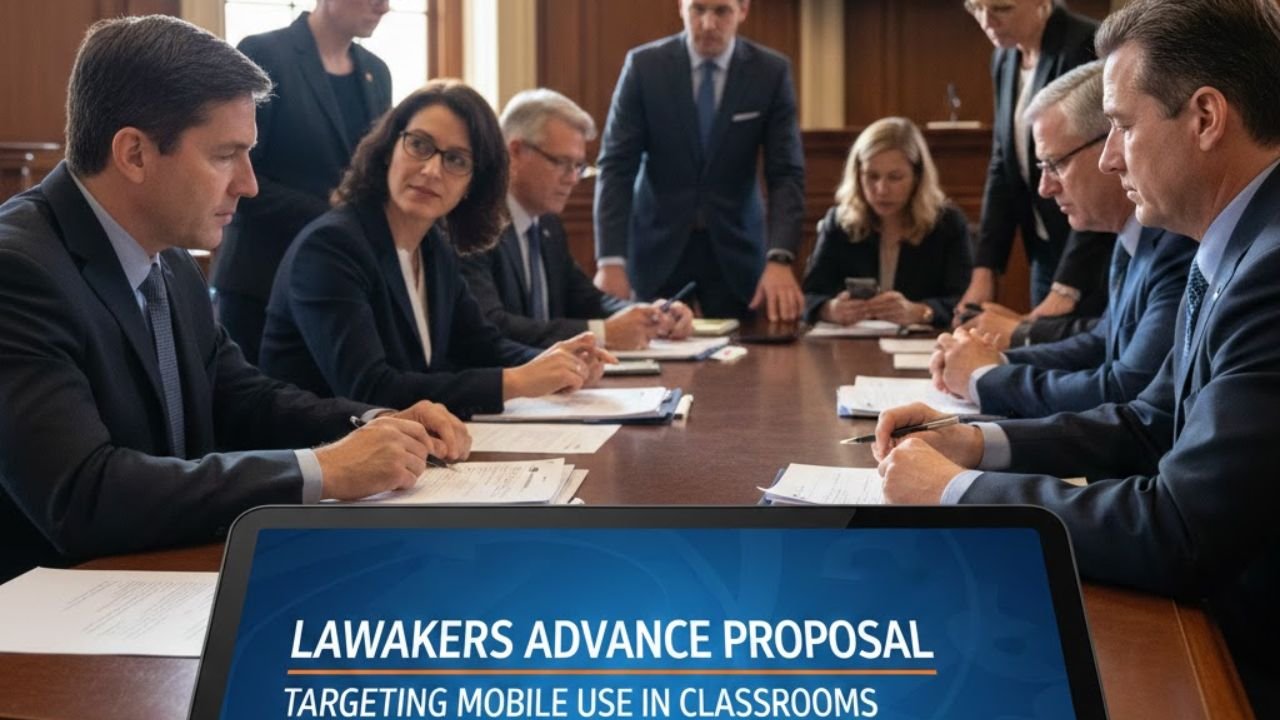

The landscape of modern education is facing a pivotal transformation as lawmakers across the globe intensify their efforts to regulate mobile devices in schools. As of February 2026, several legislative bodies have moved forward with sweeping proposals designed to mitigate the digital distractions that have increasingly compromised the academic environment. From the United States to international corridors, the push for “phone-free” zones is no longer a fringe movement but a formalized legislative priority. These policies aim to strike a delicate balance between leveraging technology for learning and protecting the sanctity of the instructional hour from the constant pull of social media and instant messaging.
The Rise of Legislative Action in 2026
In early 2026, states like Michigan and Indiana became the latest battlegrounds for student device regulation. Michigan’s Public Act 2 of 2026, signed into law this February, mandates that school boards implement enforceable policies prohibiting smartphone use during instructional time starting in the 2026-2027 academic year. Similarly, in Indiana, lawmakers have advanced Senate Bill 78, which goes a step further by proposing that devices be powered off and stored away for the entire school day. These legislative maneuvers reflect a growing consensus that the “organic” management of devices by individual teachers is no longer sufficient to curb the tide of digital disruption.
Addressing the “Brain Drain” Phenomenon
Central to the arguments of proponents is the “brain drain” hypothesis, which suggests that the mere presence of a smartphone—even if turned face down—consumes significant cognitive resources. Educators report that the average student loses approximately 40 minutes of learning time each day due to device-related interruptions. By removing the physical device from the student’s immediate reach, lawmakers hope to restore “functional fluid intelligence” and increase the working memory capacity available for complex tasks. This shift is particularly crucial for lower-performing students, who research shows benefit the most from a distraction-free environment.
Balancing Safety and Academic Focus
One of the primary hurdles for these proposals has been parental concern regarding emergency communication. To address this, current 2026 legislation typically includes “safety carve-outs.” For instance, Michigan’s new framework allows for the use of “basic telephones”—devices capable only of voice calls and simple texts without internet access—to ensure students in rural areas or those with long commutes remain reachable. Furthermore, emergency operations plans are being updated to include specific protocols for device access during crisis situations, ensuring that safety does not come at the expense of academic integrity.
Data Insights: Impact of Mobile Restrictions
The following table highlights the projected and observed impacts of mobile phone restrictions based on recent educational studies and legislative testimony.
| Metric | Impact of Phone Ban | Significance |
| Academic Performance | 6.4% increase in test scores | Equivalent to adding 5 extra school days per year. |
| Learning Equity | 2x gain for low-achieving students | Helps bridge the gap for disadvantaged learners. |
| Classroom Engagement | 32% reduction in distractions | More time spent on direct instruction and peer interaction. |
| Behavioral Issues | Significant decline in cyberbullying | Reduces “real-time” recording and sharing of school conflicts. |
| Mental Health | Improved focus and lower anxiety | Provides a “digital break” from social comparison pressures. |
The Global Perspective on School Device Bans
The movement is not limited to North America. International bodies and foreign governments are also stepping up their enforcement. For example, Himachal Pradesh in India announced a complete ban effective March 1, 2026, introducing fines for violations to ensure strict compliance. In Europe, the UNESCO “Technology in Education” report has continued to influence policy, urging nations to prioritize the learner’s needs over the mere presence of technology. These global trends suggest a shifting philosophy where the “right to be offline” is becoming as vital as digital literacy.
Implementation Challenges and Enforcement
Passing a law is only the first step; the true test lies in classroom enforcement. Schools are exploring various methods, such as Yondr pouches—magnetically sealed bags—or designated “cell phone hotels” at the front of the classroom. Some lawmakers have even proposed allowing schools to use safety grant dollars to purchase these storage solutions. However, critics argue that these measures may impose new burdens on teachers who must now act as “device wardens,” potentially creating friction between staff and students if the enforcement is not handled with a community-driven approach.
Looking Ahead: A New Era of Focus
As we move toward the 2026-2027 school year, the goal of these proposals is to transform the classroom from a place of digital competition into a sanctuary for deep work. While smartphones are undeniably powerful tools, their role in the K-12 environment is being redefined to ensure they serve as educational aids rather than social disruptors. By standardizing these rules at the state and national levels, lawmakers are providing schools with the legal backing they need to reclaim student attention and foster a more equitable, focused, and mentally healthy learning environment for the next generation.
FAQs
Q1 Will students be allowed to use phones during emergencies?
Yes. Most 2026 proposals, including those in Michigan and Indiana, explicitly include exemptions for emergency situations and require schools to have clear protocols for device access during crises.
Q2 How will these bans affect students with medical needs?
Legislation typically includes “medical necessity” carve-outs. Students who use apps for monitoring conditions like diabetes or have specific requirements under an IEP (Individualized Education Program) are exempted from the ban.
Q3 Do these laws apply to laptops and tablets?
Generally, no. The focus is specifically on “wireless communication devices” (smartphones). School-issued laptops and tablets used for instructional purposes remain permitted, often subject to school-managed network filters.
Disclaimer
The content is intended for informational purposes only. you can check the officially sources our aim is to provide accurate information to all users
