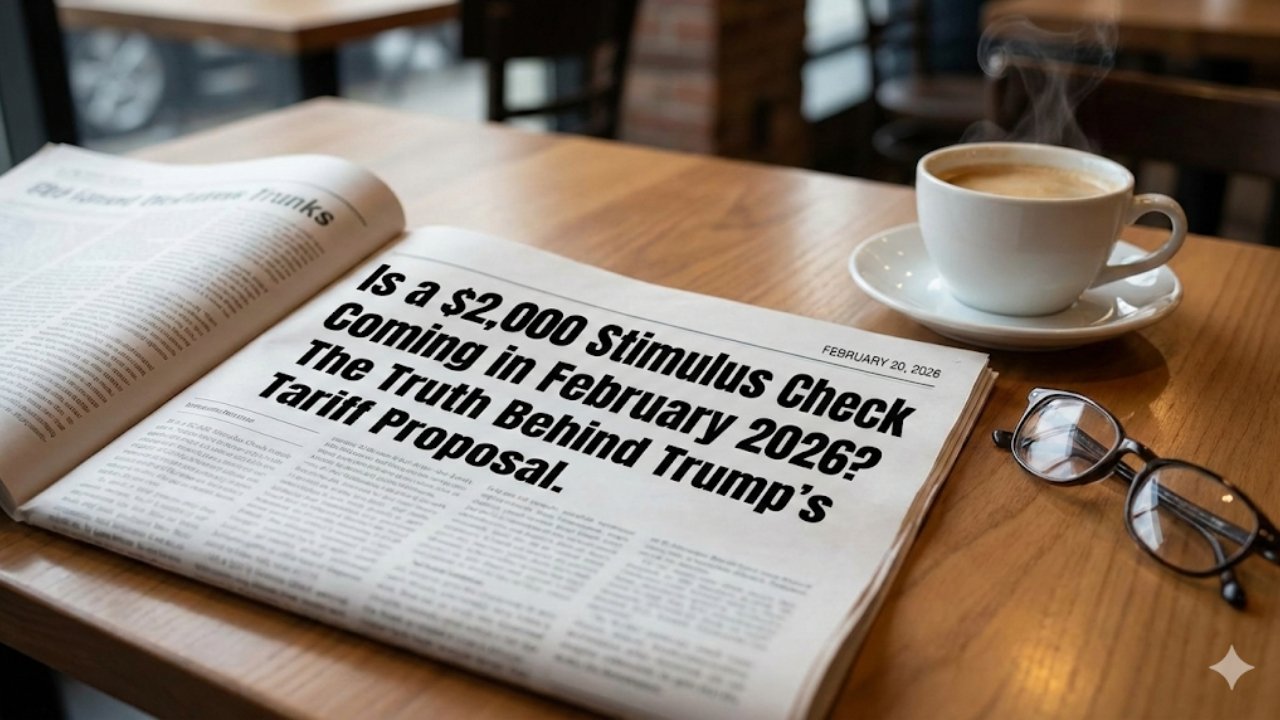

No, a $2,000 stimulus check is not coming in February 2026. President Trump’s tariff proposal has sparked rumors, but official sources confirm no such payments are scheduled or approved.
Rumors Sparked by Tariff Talk
President Donald Trump, reelected in 2024 and now leading the nation, floated the idea of $2,000 “tariff dividend” checks last year. He suggested these payments could come from revenue generated by new tariffs on imports from countries like China, Mexico, and others. In social media posts and interviews, Trump described tariffs as a way to bring wealth back to America, promising at least $2,000 per person excluding high earners.
The proposal gained traction amid rising tariff collections, which tripled to about $25 billion monthly by mid-2025. Trump claimed these funds could directly benefit everyday Americans through checks, positioning it as a reward for his trade policies. However, excitement quickly turned to widespread online speculation about February 2026 payouts, fueled by viral posts and unverified claims.
Tariff Revenue Realities
Tariffs have indeed boosted government coffers significantly. Estimates show they could generate $1.3 trillion through the end of Trump’s term and up to $2.8 trillion by 2034, before economic adjustments. Monthly inflows hit record highs last year, validating Trump’s push for reciprocal trade rates ranging from 10% to 41%.
Yet experts caution that numbers don’t fully support massive payouts. Distributing $2,000 to most adults would cost $280 billion to over $600 billion, often exceeding projected annual tariff yields of $300 billion or less after retaliation and reduced imports. Economic models also predict tariffs raising consumer prices, potentially offsetting any individual gains.
| Aspect | Projected Tariff Revenue (2026) | Cost of $2,000 Checks (Adults < $100k Income) |
|---|---|---|
| Low Estimate | $200-300 billion | $450 billion |
| Mid Estimate | $500 billion | $500-600 billion |
| High Estimate (10 yrs total) | $2.8 trillion | $3+ trillion |
No February Payout Confirmed
As of February 2026, the IRS has explicitly stated no new federal stimulus checks are scheduled, including for February. The tax filing season opened in late January, focusing on refunds averaging over $3,000—not tariff dividends. Pandemic-era payments ended in 2021, and any revival needs fresh legislation.
White House officials remain “committed” to exploring options but tie progress to Congress. Recent updates push timelines to late 2026 at earliest, ahead of midterms, with no proposal yet submitted. Trump himself noted in January interviews that delivery depends on legislative approval.
Legislative and Economic Hurdles
Direct payments require congressional action, as presidents lack unilateral authority for large disbursements. Advisors like National Economic Council Director Kevin Hassett emphasized this, saying a formal plan would come early in the year—but none has materialized by now. Budget experts from groups like the Yale Budget Lab highlight shortfalls even for scaled-back versions.
Tariffs also risk inflation and retaliation, with models forecasting GDP dips and wage pressures. A middle-income household might face lifetime losses of $58,000 from higher costs, per Wharton analysis. These factors make quick, broad checks politically and fiscally challenging.
Scams Exploiting the Hype
False claims about imminent $2,000 checks have exploded, with scam texts demanding fees or personal data for “tariff rebates.” State officials and the IRS warn against sharing info, as legitimate payments never require upfront costs or unsolicited contacts. Always verify via official IRS tools like “Where’s My Refund?”
What Taxpayers Should Expect Instead
Focus on standard tax refunds this season, expected by early March for e-filers. Recent law changes boosted averages 17% last year. No evidence links tariffs to automatic February direct deposits—those are myths.
FAQs
Is a $2,000 check arriving in February? No, IRS confirms no such payments.
When might tariff dividends happen? Possibly late 2026, if Congress approves.
How to spot stimulus scams? Ignore unsolicited demands; use IRS.gov only.
