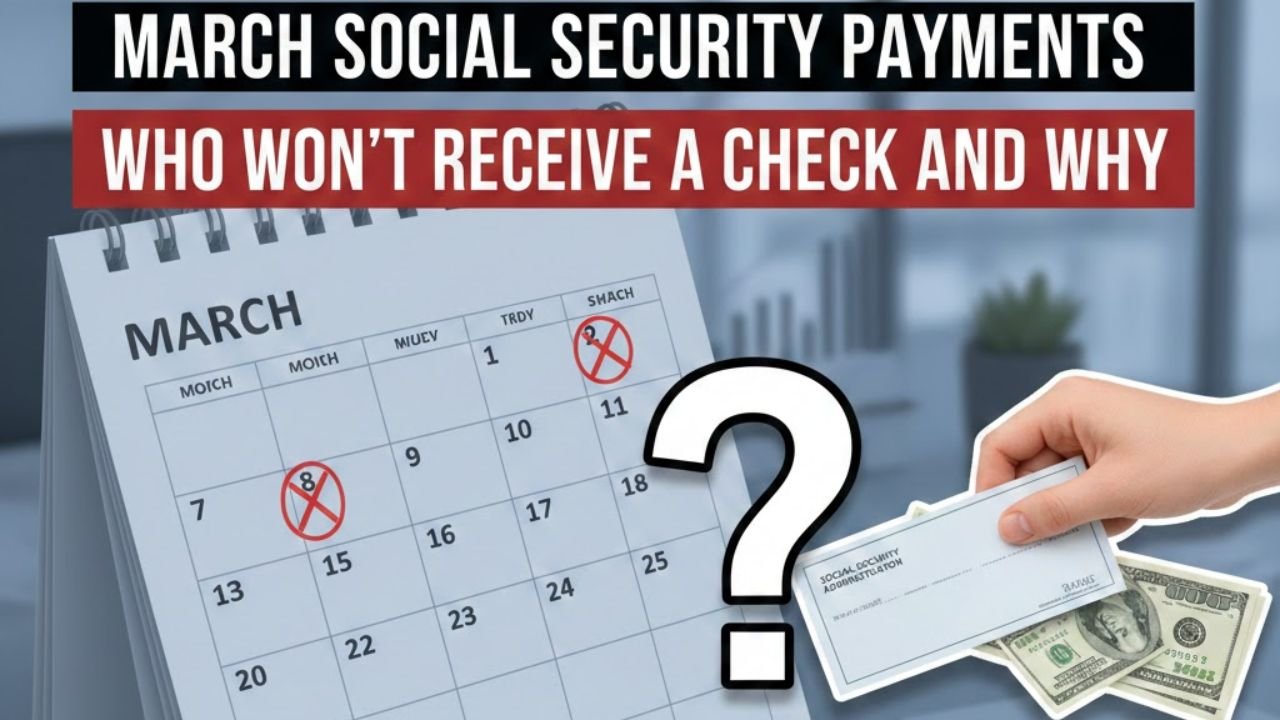

The month of March 2026 brings a unique scheduling quirk that may leave some Social Security beneficiaries checking their bank accounts twice. While the Social Security Administration (SSA) remains the financial backbone for over 70 million Americans, the calendar doesn’t always align with the traditional “first of the month” expectations. For millions of low-income seniors and individuals with disabilities, the realization that no “March check” will arrive during the month of March itself might cause initial alarm. However, this is not a sign of benefit cuts or technical failures; it is simply a byproduct of federal payment regulations and a Sunday start to the month.
The Great SSI Vanishing Act
The group most impacted by the “missing” March check consists of Supplemental Security Income (SSI) recipients. By law, SSI payments are scheduled to be delivered on the first day of each month. However, when the first falls on a Saturday, Sunday, or a federal holiday, the SSA is required to issue the payment on the preceding business day. Since March 1, 2026, falls on a Sunday, the SSA will advance the March payment to Friday, February 27, 2026. This means that when March 1 rolls around, the money has already been sitting in accounts for two days. Consequently, there is no separate SSI payment date on the March calendar.
March 2026 Payment Schedule Overview
To help you track your funds, here is the breakdown of when various beneficiaries can expect their deposits during the month.
| Beneficiary Category | Payment Date | Reason for Timing |
| SSI Recipients | Feb 27, 2026 | March 1 is a Sunday; paid early. |
| Pre-May 1997 Beneficiaries | March 3, 2026 | Standard date for older claims. |
| Birthdays: 1st – 10th | March 11, 2026 | Second Wednesday of the month. |
| Birthdays: 11th – 20th | March 18, 2026 | Third Wednesday of the month. |
| Birthdays: 21st – 31st | March 25, 2026 | Fourth Wednesday of the month. |
The “Double Payment” Confusion
Because of the advance deposit on February 27, some recipients may mistakenly believe they have received a “bonus” or a “stimulus” payment in February. This confusion often leads to financial strain later in March. It is vital to understand that the late-February deposit is your entire budget for the month of March. There is no “second check” coming. Because the next SSI payment won’t arrive until April 1, beneficiaries must make that February 27 deposit stretch for approximately 33 days. Planning for this longer gap is essential to ensure that rent, utilities, and grocery budgets remain intact.
Who Else Might Face Delays?
Beyond the SSI scheduling shift, certain individuals may experience genuine interruptions in their payments. The SSA has recently tightened security protocols to combat fraud, which can occasionally trigger a “payment hold” for administrative reasons. Common triggers include making a sudden change to your direct deposit information, having an unverified address on file, or failing to report a change in income. If the SSA’s system flags a discrepancy between your bank details and your identity profile, they may pause the payment until you verify your credentials through a “my Social Security” account or a local office visit.
Income and Employment Limits
Another reason a check might not arrive in March—or might be significantly reduced—relates to the 2026 earnings limits. For those who are under the full retirement age and continue to work, the SSA applies an earnings test. In 2026, the limit is $24,480. If you earn above this threshold, the SSA deducts $1 for every $2 earned over the limit. If your earnings were high enough in the preceding months, your March check could be withheld entirely to “pay back” the excess benefits. This is a common occurrence for early retirees who remain active in the workforce and haven’t properly adjusted their withholding.
Technical and Banking Factors
Finally, even if the SSA sends the money on time, your bank plays a final role in when you can actually access it. While most major banks process direct deposits instantly, smaller credit unions or those receiving paper checks through the mail might experience slight delays. The SSA officially recommends waiting at least three business days past your scheduled date before calling to report a missing payment. This window allows for local banking holidays or postal delays to resolve naturally without clogging the agency’s phone lines.
Conclusion and Best Practices
The “missing” March check for SSI recipients is a classic example of how the calendar can dictate financial flow. While it feels like a gap, it is actually a benefit of receiving money early. To stay ahead of these shifts, the most effective tool is a “my Social Security” account. This digital portal allows you to track your payment status in real-time, verify that your address is correct, and receive notices before a delay occurs. By understanding the schedule and the rules regarding work and income, you can ensure that your financial planning remains stable throughout the year.
FAQs
Q1. Is the February 27 payment an extra check from the government?
No. It is your regularly scheduled March SSI payment delivered early because March 1 falls on a Sunday. It is not a bonus.
Q2. Why haven’t I received my retirement check yet?
Retirement checks are distributed on Wednesdays based on your birth date. If your birthday is late in the month (21st–31st), you won’t see your check until March 25.
Q3. What should I do if my payment is more than three days late?
First, check your “my Social Security” account online for any alerts. If there are no issues listed, call the SSA at 1-800-772-1213 or contact your local Social Security office.
Disclaimer
The content is intended for informational purposes only. you can check the officially sources our aim is to provide accurate information to all users
