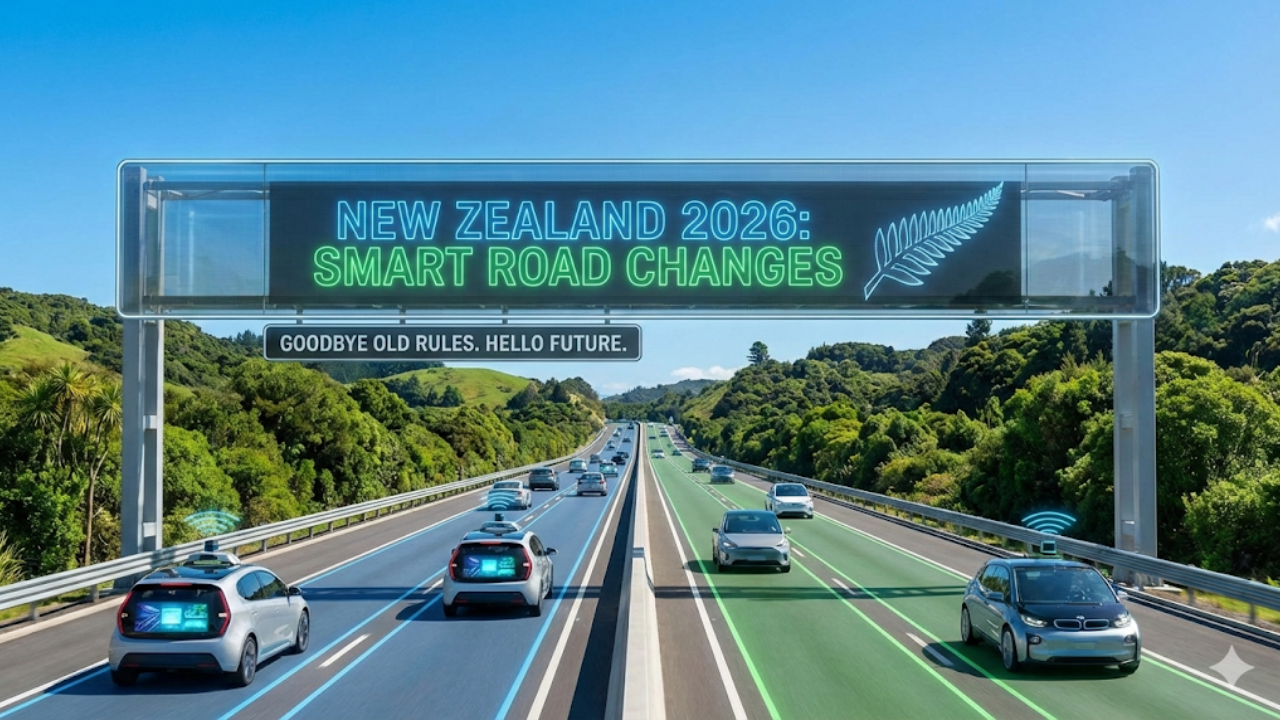

New Zealand’s roads are set for a significant transformation in 2026, as authorities roll out updated regulations aimed at boosting safety and adapting to modern vehicles and lifestyles. These changes move beyond traditional rules, incorporating technology and data-driven approaches to cut down crashes and injuries. Drivers can expect shifts in speed limits, enforcement methods, and licensing that promise a safer journey but also spark debates on practicality.
Reasons Behind the Shift
Persistent road safety issues have driven these reforms, with rural highways and young drivers facing higher risks from speed and distractions. Official data highlights hundreds of serious crashes yearly, often tied to outdated rules that no longer fit electric vehicles or micromobility trends. By aligning policies with global standards and recent crash analytics, the government seeks to modernize without overcomplicating daily drives.
The push also ties into infrastructure investments, like better signage and barriers, creating a combined effort to lower fatalities. Transport leaders emphasize that these updates reflect real-world patterns, such as rising scooter use in cities.
Key Changes Unveiled
Core updates include revised speed management, where zones near schools and busy areas drop limits dynamically based on risk data. Automated cameras will expand, capturing average speeds over stretches rather than single moments, while penalties for phone use behind the wheel double for repeat offenders. Licensing tweaks target older drivers with stricter eyesight checks and renewals.
Electric scooters and e-bikes gain clearer guidelines, mandating helmets and path-sharing rules to prevent urban chaos. Heavy vehicles face tougher compliance, with onboard tech tracking loads and fatigue.
Speed Limit Overhaul
Expect tailored speeds per road type, prioritizing safety over uniformity. Urban spots will see more 30 km/h zones during peak hours, while rural routes adjust via crash history analysis.
| Road Type | Current Limits (km/h) | 2026 Adjustments |
|---|---|---|
| Urban Residential | 50 | 30 near schools/pedestrian areas |
| Rural Highways | 100 | Risk-based, data-driven caps |
| Motorways | 110 | Steady, with camera monitoring |
| School Zones | 40 (signage only) | Automated, time-activated |
This table shows how changes target high-risk spots, aiming to slash severity by matching speeds to design.
Tech in Enforcement
Average speed cameras lead the tech charge, tracking vehicles across kilometers to discourage speeding bursts. Drones and AI analytics will aid rural patrols, focusing on distraction hotspots. These tools promise fairer policing, but rural communities worry about signal gaps affecting accuracy.
Fines rise sharply for handheld devices, with hands-free exemptions to ease compliant tech adoption.
Licensing and Training Updates
Renewals grow rigorous: drivers over 75 need medical sign-offs, and all face biennial eyesight tests at post offices. Learner programs extend practical hours, emphasizing hazard perception for newbies. Businesses must retrain fleets, integrating simulator sessions.
Young drivers get graduated limits, like night curfews, to build skills gradually.
Infrastructure Pairing
Rules sync with $1.2 billion in upgrades, including median barriers on key routes and LED lighting for visibility. Pedestrian crossings expand with sensors, while cycle lanes integrate safer merges. This holistic approach multiplies impact, as safer roads reinforce better habits.
Driver Preparation Tips
Start by checking local council sites for zone maps and testing vehicle compliance early. Update sat-navs for new limits and practice distraction-free habits. Fleet operators should audit training now to avoid fines.
Challenges and Debates
While safety gains excite experts, costs for cameras and compliance stir pushback, especially from rural folk facing longer travel times. Enforcement equity remains a hot topic, with calls for grace periods during rollout.
FAQs
When do changes start?
Mid-2026, around June-July, with phased rollout.
Will speeds rise anywhere?
No, focus is risk-based reductions, not increases.
How to stay updated?
Follow NZ Transport Agency alerts and apps.
Disclaimer
The content is intended for informational purposes only. You can check official sources; our aim is to provide accurate information to all users.
