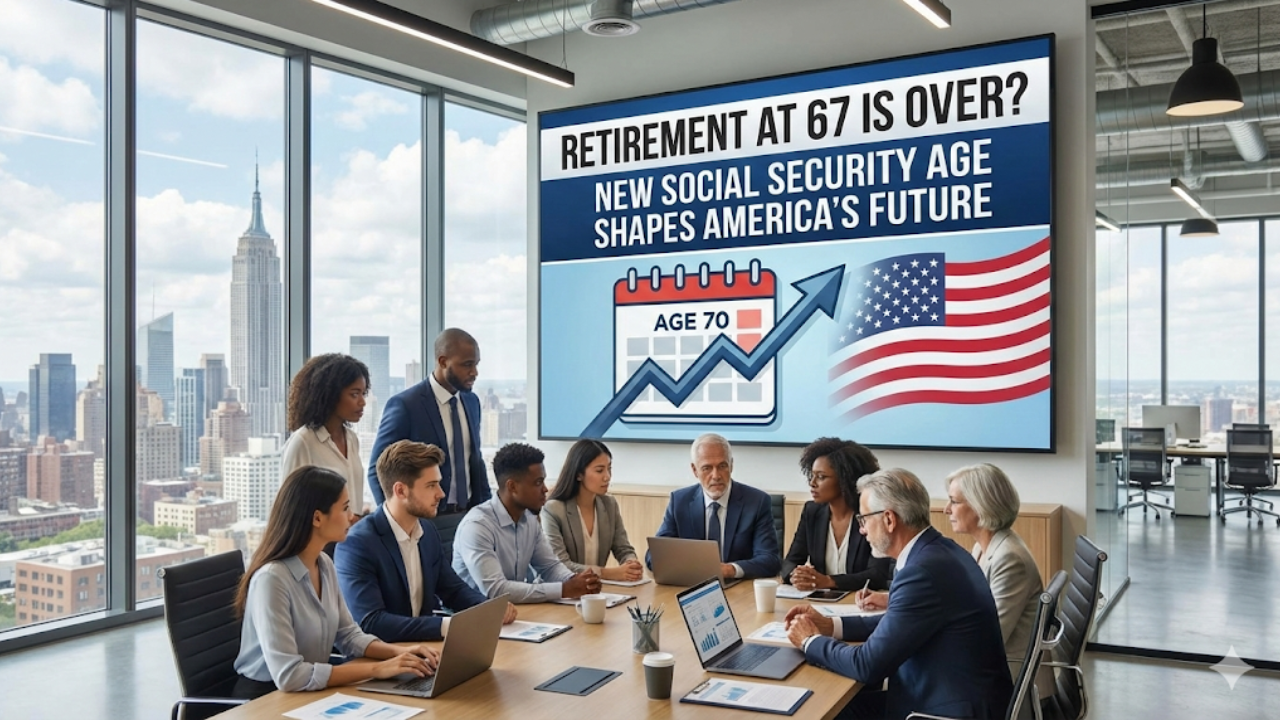

The traditional notion of retiring at age 67 under Social Security’s full retirement age (FRA) is evolving rapidly amid America’s aging population and strained federal finances. Recent policy discussions and incremental changes signal a shift toward even later claiming ages, prompting millions to rethink lifelong savings strategies. This transformation promises both challenges and opportunities for future retirees.
Gradual Rise in Full Retirement Age
Social Security’s FRA has already climbed from 65 to 67 for those born in 1960 or later, a change phased in over decades to reflect longer lifespans. For people born in 1959, it hit 66 years and 10 months in 2025, with the full 67 mark solidifying for subsequent cohorts. This adjustment reduces early claiming penalties but extends working years for full benefits, affecting Gen Xers and Millennials most directly.
Experts note that delaying claims beyond FRA up to age 70 boosts monthly payouts by 8% annually, yet many Americans claim early due to health or financial pressures. The system’s trust funds, projected to deplete by 2035 without reform, fuel talks of pushing FRA to 68 or 69 gradually.
Impact on Workforce Dynamics
Higher retirement ages are keeping older workers in the labor force longer, reshaping job markets and intergenerational equity. Studies show past FRA hikes delayed retirements and benefit claims, with affected workers staying employed two to three years extra. This trend supports economic growth but strains industries reliant on younger talent turnover.
Employers face new realities, investing in retraining for aging staff while younger workers navigate delayed promotions. Broader participation from seniors could ease labor shortages in sectors like healthcare and tech.
Financial Planning Shifts
Americans must now prioritize diversified savings beyond Social Security, as reliance on it alone risks shortfalls. With two-thirds of retirees drawing over half their income from benefits, the new landscape demands aggressive 401(k) contributions and side gigs. Delaying claims remains a powerful lever, potentially increasing lifetime benefits despite fewer payout years.
| Birth Year | Full Retirement Age | Benefit Reduction at 62 | Delayed Credit to 70 |
|---|---|---|---|
| 1955 | 66 + 2 months | 30% | 124% of FRA |
| 1959 | 66 + 10 months | 29.17% | 128% of FRA |
| 1960+ | 67 | 30% | 132% of FRA |
| Proposed 68 | 68 (hypothetical) | 32.5% | 144% of FRA |
This table illustrates how phased increases alter payouts, urging personalized calculators for optimal timing.
Health and Longevity Pressures
Rising FRA coincides with Americans living longer, yet uneven health outcomes complicate the picture. While life expectancy nears 80, chronic conditions like diabetes affect early claimers disproportionately, eroding benefits by up to 30%. Policymakers debate tying FRA to longevity metrics, potentially grandfathering current workers.
Wellness initiatives gain traction, with companies offering longevity coaching to extend productive careers. Retirees who stay active report higher satisfaction and financial stability.
Policy Debates and Proposals
Bipartisan talks explore raising FRA by one or two months every two years, possibly reaching 69 by 2050. Such reforms could shore up trust funds by trillions over 75 years but spark backlash from labor unions fearing exploitation. Complementary ideas include lifting the payroll tax cap or means-testing benefits for high earners.
President Trump’s 2025 reelection has spotlighted fiscal tweaks, though comprehensive bills remain elusive amid divided Congress. Public support hinges on protecting low-income vulnerable groups.
Economic Ripple Effects
Later retirements bolster GDP through sustained consumer spending and tax revenue, countering entitlement costs. However, they exacerbate inequality, as white-collar professionals adapt easier than manual laborers. States like Florida and Arizona see booming “active adult” communities blending work and leisure.
Younger generations benefit indirectly via stabilized markets, but delayed inheritances strain millennial homebuying. Overall, this shift fosters a “new retirement” blending part-time work with passions.
Personal Strategies for Adaptation
Savvy planners bridge gaps with Roth IRAs, real estate, or gig economy roles into one’s 70s. Financial advisors stress stress-testing portfolios against inflation and healthcare spikes. Community programs teaching delayed gratification yield big returns, turning policy pressure into empowerment.
Embracing flexibility defines success in this era, where retirement resembles a marathon, not a sprint.
FAQs
Will FRA rise beyond 67 soon?
Not immediately, but gradual hikes to 68-69 are under serious review by 2030.
Does early claiming still make sense?
Yes, if health is poor; otherwise, waiting maximizes lifetime value.
How to check my FRA?
Use SSA.gov’s Quick Calculator with your birth year.
Disclaimer
The content is intended for informational purposes only. You can check the official sources; our aim is to provide accurate information to all users.
